Understanding Zirconium Veneers in Modern Dentistry
Zirconium veneers have become one of the most widely preferred restorative and cosmetic dental treatments in modern dentistry. Thanks to their natural appearance, exceptional durability, and biocompatibility, zirconium-based restorations provide a highly effective solution for individuals seeking both functional and aesthetic improvements to their teeth.
In contemporary cosmetic dentistry, patients often demand restorations that are not only strong but also visually indistinguishable from natural teeth. Zirconium veneers meet these expectations by combining advanced dental materials with digital smile design techniques. Today, many dental professionals consider zirconium restorations a reliable option for correcting a wide range of dental problems including discoloration, tooth fractures, misalignment, and worn enamel.
Unlike traditional metal-supported crowns, zirconium veneers are produced from zirconium dioxide, a highly durable ceramic material that offers both strength and translucency. This unique composition allows dentists to restore the natural look of teeth while maintaining long-term structural stability.

What Are Zirconium Veneers?
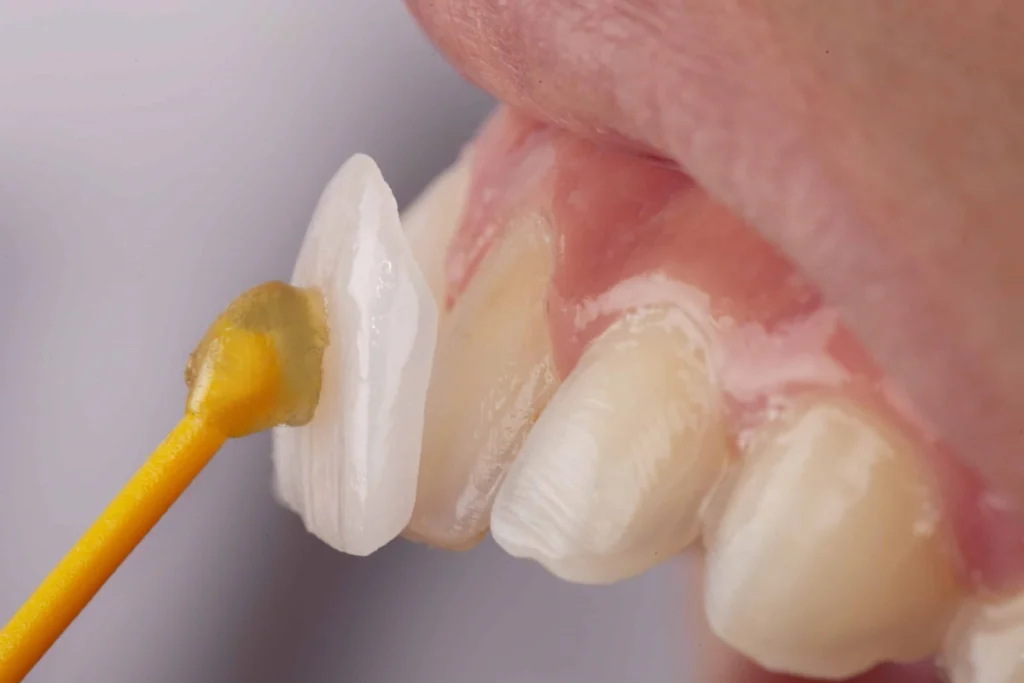
Zirconium veneers are tooth-shaped dental restorations made from zirconium dioxide, a strong ceramic material widely used in restorative dentistry. These restorations are designed to cover the visible portion of damaged or aesthetically compromised teeth.
Although the term “veneer” is often associated with thin shells placed on the front surface of teeth, zirconium restorations are typically fabricated as full-coverage crowns. They are placed over prepared teeth to restore their shape, color, strength, and function.
The material itself is highly resistant to fracture and wear, making it suitable for both anterior (front) and posterior (back) teeth. Additionally, zirconium crowns are metal-free, which eliminates the gray shadow effect sometimes observed with traditional porcelain-fused-to-metal crowns.
Dentists often recommend zirconium restorations for patients who require both cosmetic enhancement and structural reinforcement of their teeth.
Advantages of Zirconium Veneers
Zirconium veneers offer several clinical and aesthetic advantages that have contributed to their increasing popularity in dental treatments worldwide.
Natural Aesthetic Appearance
One of the primary reasons patients prefer zirconium restorations is their ability to mimic the natural translucency of tooth enamel. The material allows light to pass through similarly to natural teeth, creating a realistic and harmonious smile appearance.
Unlike metal-supported restorations, zirconium crowns do not produce dark lines at the gum margin. This characteristic significantly improves the aesthetic outcome, particularly in visible areas of the mouth.
High Strength and Durability
Zirconium dioxide is known for its exceptional mechanical strength. It is highly resistant to chipping, cracking, and wear, which makes zirconium veneers a reliable long-term solution for dental restorations.
Because of this durability, zirconium crowns can withstand significant biting forces. This makes them suitable not only for front teeth but also for molars, where chewing pressure is significantly higher.
Biocompatibility with Oral Tissues
Zirconium is considered a highly biocompatible material. This means it is generally well tolerated by the human body and rarely causes allergic reactions or gum irritation.
Patients who are sensitive to metal restorations often benefit from zirconium-based solutions because they contain no metallic components.
Resistance to Staining
Another advantage of zirconium veneers is their resistance to staining. Unlike natural teeth, which may discolor due to coffee, tea, tobacco, or wine consumption, zirconium restorations maintain their color stability over time.
This property allows patients to maintain a brighter smile for many years with proper oral hygiene and routine dental care.
Thermal Insulation
Zirconium material also provides effective thermal insulation. This means patients are less likely to experience sensitivity to hot or cold foods and beverages compared to certain metal-supported restorations.
Who Is a Candidate for Zirconium Veneers?
Zirconium veneers may be recommended for individuals who experience various dental aesthetic or structural concerns. Dentists often evaluate several clinical factors before determining whether this treatment is appropriate.
Common conditions that may benefit from zirconium restorations include:
- Severely discolored teeth that do not respond to whitening treatments
- Cracked, fractured, or structurally weakened teeth
- Teeth with large fillings that compromise structural stability
- Misaligned or irregularly shaped teeth
- Teeth that have undergone root canal treatment
- Patients seeking long-lasting smile design solutions
However, treatment planning should always involve a comprehensive dental examination, including radiographic analysis and occlusal assessment.
The Zirconium Veneer Procedure
The process of placing zirconium veneers generally involves multiple clinical steps that ensure accurate fit, function, and aesthetics.
Initial Consultation and Treatment Planning
The first step involves a detailed dental examination. The dentist evaluates oral health, tooth structure, bite alignment, and aesthetic expectations.
Digital imaging or intraoral scanning may be used to plan the ideal shape and size of the restorations. In many cases, digital smile design technology helps simulate the final appearance before treatment begins.
Tooth Preparation
Once treatment is approved, the dentist prepares the affected teeth by removing a small amount of enamel. This step ensures that the zirconium restoration will fit properly without appearing bulky.
Local anesthesia is typically used during this procedure to ensure patient comfort.
Digital Impression and Laboratory Fabrication
After tooth preparation, the dentist takes precise impressions of the teeth using digital scanning systems or traditional impression materials.
These impressions are sent to a dental laboratory, where technicians design and manufacture the zirconium restorations using CAD/CAM technology. This advanced manufacturing process ensures precise adaptation and aesthetic customization.
Temporary Restoration
While the permanent zirconium veneers are being fabricated, temporary restorations may be placed to protect the prepared teeth.
Final Placement
During the final appointment, the dentist removes the temporary restorations and carefully places the zirconium veneers. The fit, color, and bite alignment are evaluated before the crowns are permanently bonded to the teeth using dental cement.
Proper adjustments ensure comfort, function, and natural appearance.
How Long Do Zirconium Veneers Last?
The longevity of zirconium veneers depends on several factors including oral hygiene, bite forces, lifestyle habits, and routine dental care.
On average, zirconium restorations may last between 10 and 20 years when properly maintained. Some patients even use their restorations for longer periods without complications.
To maximize the lifespan of zirconium veneers, dentists typically recommend:
- Maintaining daily brushing and flossing routines
- Attending regular dental check-ups and cleanings
- Avoiding extremely hard foods that may damage restorations
- Using a night guard if teeth grinding (bruxism) is present
Proper care significantly improves the durability and long-term performance of zirconium restorations.
Are Zirconium Veneers Safe?
Zirconium-based dental restorations have been widely studied and used in dentistry for many years. The material is considered safe, stable, and biologically compatible with oral tissues.
Because zirconium is metal-free, it does not cause metal allergies or gum discoloration. Additionally, its smooth surface reduces plaque accumulation, contributing to better periodontal health.
For these reasons, zirconium restorations are frequently recommended for patients seeking both cosmetic and functional dental improvements.
Conclusion
Zirconium veneers represent one of the most advanced restorative solutions available in modern cosmetic dentistry. Their ability to combine natural aesthetics, exceptional durability, and biocompatibility makes them a preferred treatment option for both dentists and patients.
With the support of digital dentistry technologies and precise laboratory manufacturing, zirconium restorations can significantly improve the appearance and function of damaged or aesthetically compromised teeth.
When properly planned and maintained, zirconium veneers provide long-lasting results that support both oral health and confident smiles.