The Role of Porcelain Laminate Veneers in Modern Cosmetic Dentistry
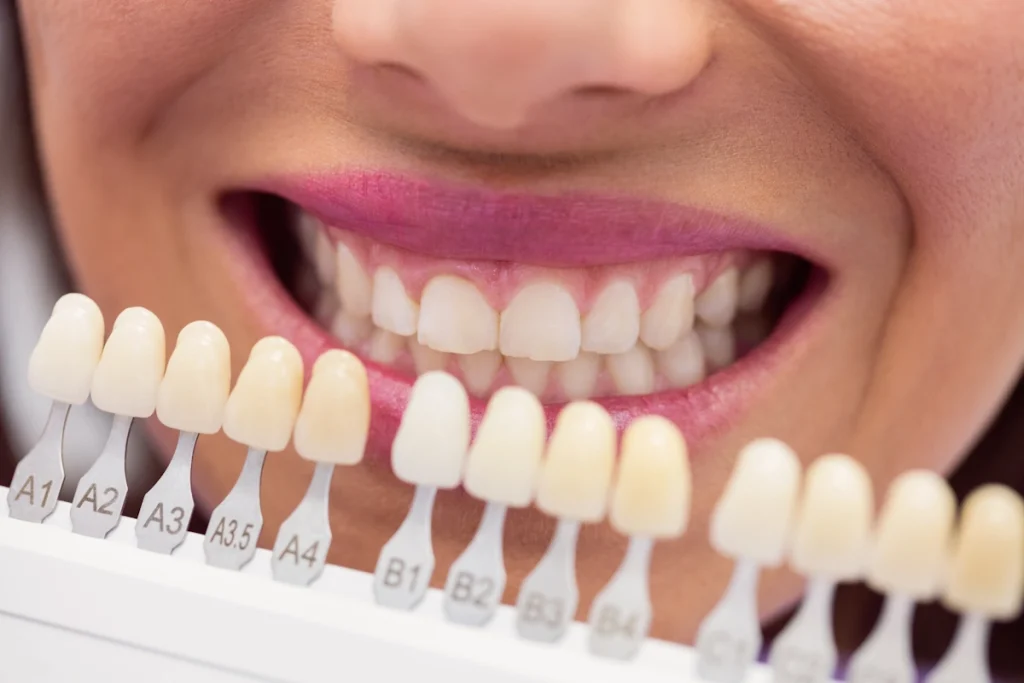
Advances in cosmetic dentistry have introduced a wide range of treatments designed to improve both the function and appearance of teeth. Among these solutions, porcelain laminate veneers have become one of the most widely preferred minimally invasive aesthetic procedures. These ultra-thin ceramic restorations are designed to enhance the appearance of the front surface of teeth while preserving most of the natural tooth structure.
Patients today increasingly seek dental treatments that provide natural-looking results without extensive tooth preparation. Porcelain laminate veneers address this need by offering an effective method for correcting discoloration, minor misalignment, worn enamel, and aesthetic irregularities. Because of their lifelike appearance and long-term durability, laminate veneers are frequently used in comprehensive smile design procedures.
The treatment has gained widespread popularity in modern dentistry due to its ability to create significant aesthetic improvements while maintaining the biological integrity of the tooth.
What Are Porcelain Laminate Veneers?
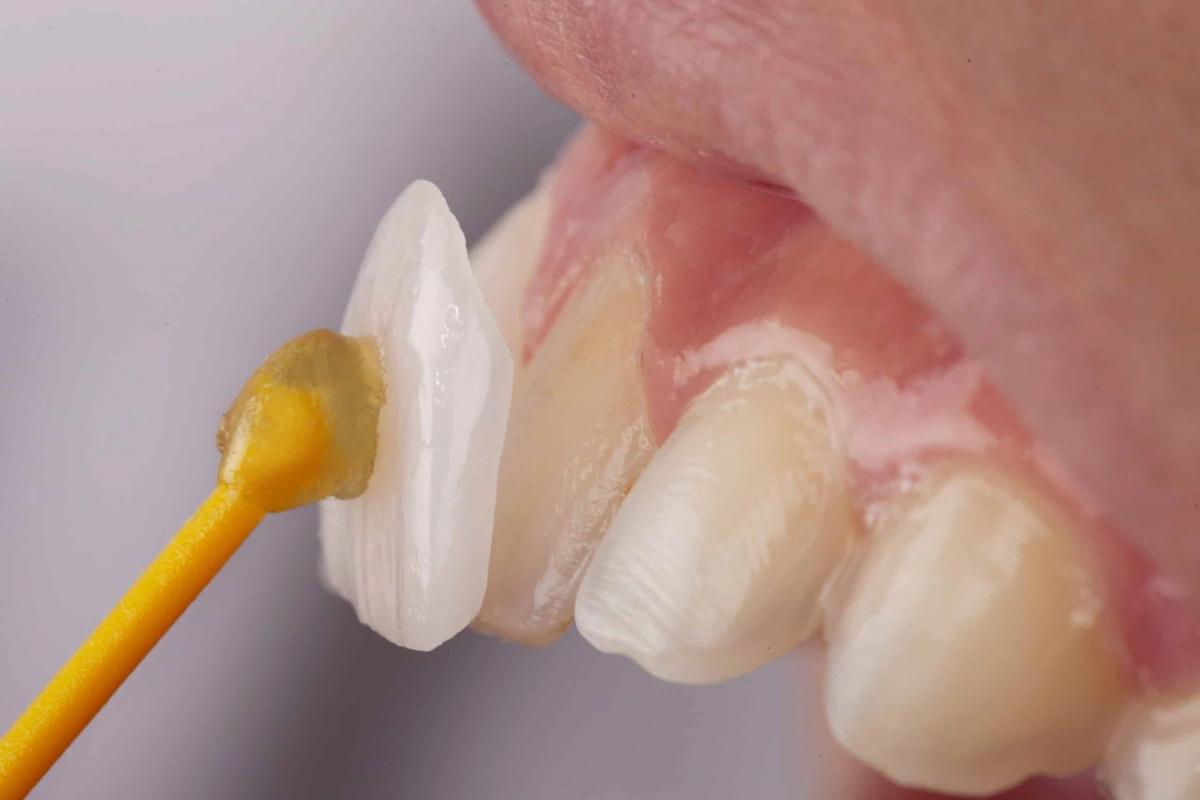
Porcelain laminate veneers are thin ceramic shells that are custom-designed to cover the front surface of teeth. They are typically fabricated from high-quality dental porcelain and bonded permanently to the enamel of the tooth.
These restorations are generally between 0.3 and 0.7 millimeters thick, making them significantly thinner than traditional dental crowns. Their thin structure allows dentists to perform the procedure with minimal removal of natural enamel.
The purpose of laminate veneers is primarily aesthetic. They improve the shape, color, size, and alignment of teeth, creating a more harmonious and balanced smile. Because porcelain has optical properties similar to natural enamel, laminate veneers reflect light in a way that closely resembles natural teeth.
As a result, when properly designed and placed, porcelain laminate veneers are difficult to distinguish from natural dental structures.
Advantages of Porcelain Laminate Veneers
Porcelain laminate veneers provide numerous advantages that make them one of the most frequently chosen cosmetic dental treatments.
Natural and Aesthetic Appearance
One of the most significant benefits of porcelain veneers is their highly natural appearance. Dental porcelain closely mimics the translucency and reflective qualities of natural enamel.
This allows veneers to blend seamlessly with surrounding teeth, producing a realistic and aesthetically pleasing smile. Modern dental laboratories also customize color, texture, and translucency for each individual patient.
Minimally Invasive Treatment
Unlike full crowns, porcelain laminate veneers require minimal tooth preparation. In many cases, only a small amount of enamel needs to be removed from the front surface of the tooth.
This conservative approach helps preserve healthy tooth structure while still achieving dramatic cosmetic improvements.
Stain Resistance
Porcelain is highly resistant to staining. Unlike natural enamel, which can discolor over time due to coffee, tea, wine, or tobacco, porcelain veneers maintain their original color for many years.
This feature makes them particularly appealing for patients seeking long-term smile enhancement.
Durability and Strength
Although laminate veneers are extremely thin, modern dental porcelain provides remarkable strength when bonded to natural enamel. With proper care, veneers can withstand normal chewing forces and daily use.
Advances in adhesive dentistry have significantly improved the longevity and reliability of veneer treatments.
Biocompatibility
Porcelain veneers are also considered biologically compatible with oral tissues. They rarely cause allergic reactions and are generally well tolerated by the surrounding gum tissue.
When properly polished and fitted, veneers also contribute to healthy gum adaptation.
Who Is a Candidate for Porcelain Laminate Veneers?
Porcelain laminate veneers are suitable for individuals who wish to correct various aesthetic dental concerns. Dentists typically recommend this treatment for patients whose teeth are structurally healthy but cosmetically compromised.
Common indications for laminate veneers include:
- Discolored teeth that do not respond to whitening treatments
- Minor gaps between teeth (diastema)
- Slightly misaligned or irregularly shaped teeth
- Worn or chipped enamel
- Teeth that appear too small or uneven
However, patients with severe tooth damage, extensive decay, or significant bite problems may require alternative restorative treatments such as crowns or orthodontic therapy.
A comprehensive dental examination is necessary to determine the most appropriate treatment plan.
The Porcelain Laminate Veneer Procedure
The process of placing porcelain laminate veneers typically involves several clinical stages designed to ensure precision, comfort, and optimal aesthetics.
Initial Consultation and Smile Design
The first step involves a detailed consultation with the dentist. During this stage, the dentist evaluates the patient’s oral health, dental alignment, and aesthetic goals.
Photographs, digital scans, and sometimes diagnostic wax-ups may be used to design the desired smile outcome. This planning stage allows both the patient and the dentist to visualize the final results before treatment begins.
Tooth Preparation
In most cases, a minimal amount of enamel is removed from the front surface of the teeth. This preparation creates space for the veneer and ensures that the final restoration appears natural without adding excessive thickness.
Local anesthesia may be used to ensure patient comfort during this stage.
Impression and Laboratory Fabrication
After tooth preparation, the dentist takes precise impressions of the teeth using digital scanning technology or traditional impression materials.
These impressions are sent to a dental laboratory where technicians fabricate the porcelain veneers using advanced ceramic materials and CAD/CAM technology.
Temporary veneers may be placed to protect the prepared teeth while the permanent restorations are being manufactured.
Veneer Bonding
Once the porcelain veneers are ready, the dentist carefully evaluates their fit, shape, and color. After necessary adjustments, the veneers are permanently bonded to the teeth using specialized dental adhesive systems.
The bonding process involves conditioning both the tooth surface and the ceramic material to create a strong and durable attachment.
After placement, final adjustments are made to ensure proper bite alignment and comfort.
Longevity of Porcelain Laminate Veneers
Porcelain laminate veneers are designed to be long-lasting restorations. When properly maintained, they can typically last between 10 and 15 years or even longer.
Several factors influence the lifespan of veneers, including oral hygiene habits, dietary choices, bite forces, and regular dental care.
To extend the longevity of porcelain veneers, dentists usually recommend:
- Maintaining proper brushing and flossing routines
- Visiting the dentist regularly for professional cleanings
- Avoiding biting hard objects such as ice or pens
- Using a night guard if teeth grinding is present
Consistent oral care significantly improves the durability and aesthetic stability of veneer restorations.
Potential Considerations
While porcelain laminate veneers offer many benefits, it is important for patients to understand certain considerations before undergoing treatment.
Because a small amount of enamel is removed during preparation, the procedure is generally considered irreversible. Additionally, veneers may eventually require replacement after many years of use.
Patients should also maintain good oral hygiene practices to prevent gum disease or decay around the restoration margins.
Careful treatment planning and experienced dental professionals help minimize potential complications and ensure optimal outcomes.
Conclusion
Porcelain laminate veneers represent one of the most conservative and effective treatments in modern aesthetic dentistry. By combining advanced ceramic materials with precise adhesive techniques, dentists can dramatically enhance the appearance of teeth while preserving natural tooth structure.
Their ability to correct multiple cosmetic concerns—including discoloration, minor misalignment, and shape irregularities—makes porcelain veneers a valuable option for individuals seeking long-term smile improvement.
When carefully planned and properly maintained, porcelain laminate veneers can provide natural-looking and durable results that significantly enhance both dental aesthetics and patient confidence.